A space for South Asian social workers and allied professionals
Take a breath
and lead the change.
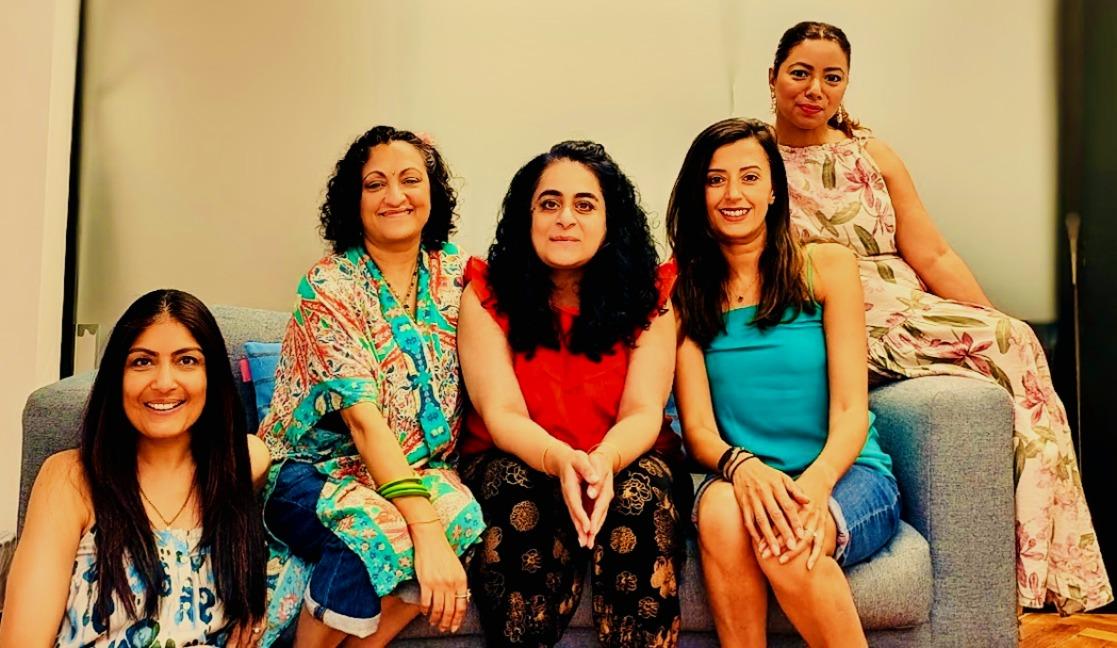
SWAS means breath in many South Asian languages — life force, presence, vitality. We are five social-care professionals cultivating spaces to uplift, empower and connect others.
To recognise our unique identities and develop strength in our unity.
Wisdom
Honouring experience, knowledge, and learning.
Aspiration
To be seen, grow and flourish.
Safety
To speak our truth and amplify our voices.
Our mission
Harnessing wisdom, inspiring growth, and challenging perspectives — building a strong, supportive community where South Asian social care professionals stand together as warriors, uplift and lead with purpose.
Who we are
Rooted in diverse experiences and united in ambition.
We are five South Asian social care professionals, rooted in diverse traditions, languages, and experiences. We honour our shared histories, while holding space for our individual journeys.
United by a commitment to drive culturally responsive systems and services, we are cultivating spaces to uplift, empower and connect others in a world that often overlooks the nuances of our communities.
South Asian social workers and allied professionals can find belonging, learning and solidarity. Whether you're seeking peer support, sanctuary, or simply a place to be seen and heard, this space is for you.
Launch night
"Let’s stand in solidarity and share our wisdom. Let’s aspire to challenge perspectives within a safe and nurturing community."
Meet the founders
Five women, one breath.
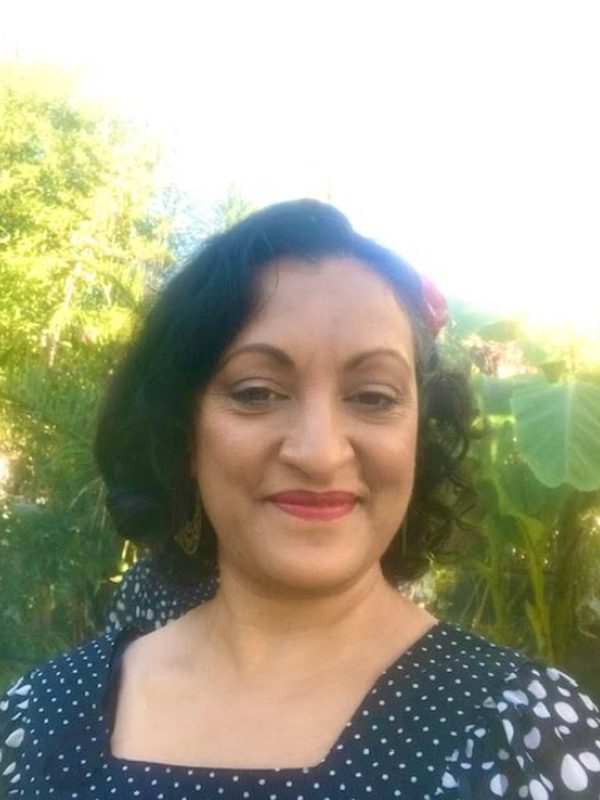
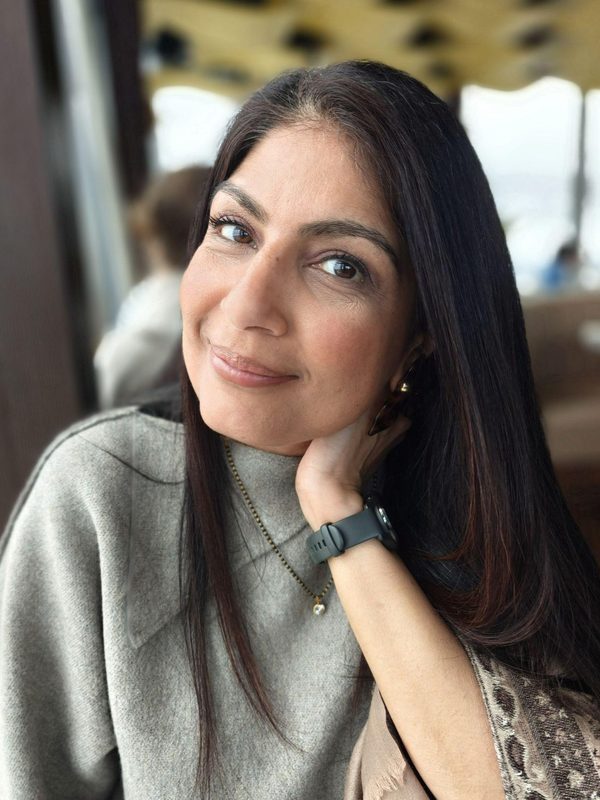
Meet the founders — select a portrait to read their story.
Founder
Nimal Jude
Nimal walks between worlds, the structured realm of systems and frameworks, and the relational spaces where stories unfold. She has spent her career across children’s social care, youth justice, domestic abuse, and substance misuse, learning what happens when practice, research and policy meet in real life.
She knows these spaces intimately. After a turbulent adolescence, her own sense of identity and belonging was fractured. Finding her way back shaped a core belief: meaningful change happens in circles where people can speak their truth and feel heard, held, and understood.
Nimal is drawn to action and momentum. Through forum theatre, she discovered that some of the deepest practice wisdom emerges when we step into each other’s shoes and work through difficult moments together.
She has helped shape key national structures including the Regional Teaching Partnership, Social Work England, and the Social Care Workforce Race Equality Standards, not as monuments to policy, but as containers for better practice. Her work focuses on strengthening and sustaining evidence focused approaches in ways that remain human and relational.
She believes in building capacity the way her ancestors built community: through gathering, listening, and trusting that wisdom lives in the collective. She coaches, facilitates, and teaches with this in mind, creating spaces where people can learn with and from one another.
Outside of her work, she can often be found laughing, painting (messily), practising yoga, or walking slowly through forests – small ways of staying connected to herself and to the wider world she works to hold.
Founder
Meeta Chaudhary
Meeta’s career has spanned frontline practice in children’s social care, Youth Justice, substance misuse, and Early Help, alongside strategic leadership roles across local authorities and national children’s charities.
She has helped design and shape innovative services for children, young people and families, including Youth Hubs, Family Hubs, and emotional health and wellbeing services for young people. She is a passionate advocate for family-led practice and strong partnership integration to improve outcomes and keep children safe.
Meeta leads with care to get the best out of people and has provided independent consultation, coaching and mentoring to students and aspiring leaders within the social care sector.
In the voluntary sector, she has contributed to national child exploitation practice guidance and campaigns aimed at strengthening the identification of children at risk of exploitation and driving systemic change. Working at both local and national levels has given her a broad perspective, a clear sense of purpose and a deep understanding of how meaningful change can be achieved.
Relationships, empathy and reflection shape how she leads, learns and connects with others. Shaped by her family’s migration journey, her experience of navigating both British and South Asian influences while growing up and experiential learning, Meeta brings compassion, courage and hope to her work, connecting her cultural heritage, lived experience and professional values in a way that feels authentic. She is committed to building bridges where differences divide, challenging systems that perpetuate harm and holding onto the belief that change is always possible.
Founder
Noshin Mohamed
Some of Noshin’s earliest inheritances were stories. Stories carried across oceans and borders; stories of family, faith, separation, resilience, and belonging. Born into a Kutchi-Turk family whose roots stretch across India, Pakistan, and Uganda, these stories continue to shape her understanding of identity, community, and the connections that bind us to one another.
For more than two decades, Noshin has worked alongside children, young people, families, and practitioners, beginning her journey in youth work and voluntary services before progressing into early help and social work. Throughout her career, she has been guided by a simple belief… children and families should feel the difference.
Today, her work spans quality assurance, practice improvement, mentoring, coaching, and strategic leadership within children’s services. She develops practice standards, policies, procedures, and strategies that shape how services are delivered, helping to strengthen practice. Yet behind every audit, dataset, performance measure, and framework, she sees what matters most, a child, a family, and a story.
Guided by her faith, Noshin is drawn to questions of identity, belonging, and what it means to be human. Her love of poetry and the arts offers another way of exploring these questions, creating space to reflect on heritage, faith, community, and the experiences that shape us. At the heart of her work is a commitment to ensuring that children, families, and communities remain visible within the systems designed to support them. Whether shaping strategy, improving practice, or listening to lived experiences, she remains focused on creating services that never lose sight of the people they exist to serve, and the stories that sit at their heart.
Founder
Mayuri Mistry
Mayuri came into social work wanting to make a difference in the lives of others. More than twenty years later, she reflects that while the profession has allowed her to walk alongside children, families and communities through challenge and change, it has also shaped who she is. Alongside her professional journey has been a personal one: learning that meaningful practice begins with understanding ourselves and giving ourselves permission to be who we are.
Working across statutory and voluntary systems, she has developed expertise at the intersection of social work, youth justice and child and adolescent mental health. Drawn to the space where reflection meets action, she is particularly interested in how learning, relationships and participation can transform practice. Since 2015, she has contributed to innovation and transformation programmes that have sought to reimagine practice and create lasting impact.
Her work is informed by a deep respect for multiple ways of knowing, recognising that wisdom resides not only in evidence and expertise, but also in lived experience, indigenous knowledge and collective learning. Deeply committed to equity and inclusion, she supports practitioners, leaders and organisations to navigate complexity, examine power and cultivate cultures where difference is valued and people can participate fully. Through coaching, facilitation and workforce development, she helps create the conditions for collective wisdom and new possibilities to emerge through participation, dialogue and learning.
Outside of work, Mayuri finds nourishment in family, community and long runs on the open road, where perspective often arrives with the miles.
Founder
Chandni Tanna
With nearly 20 years of experience ranging from social work, youth work, international community work and now in workforce development, she is on a never ending journey of harnessing her skill sets and mastering her superpowers.
Through a relational lens, she is interested in how earthlings are shaped by the networks, histories and environments inhabited and how these influences affect both individual experiences and the systems that serve them.
It is perhaps this idea for connection and interdependence that fuels her spellbound love of animals and live music. If given the opportunity, Chandni would happily exchange a career in workforce planning for one in wildlife conservation.
Whether considering families and/or the natural environment, she is drawn to the idea that every ecosystem matters, whether it is a social work team, a South Asian community, or a rainforest. In each, she finds the same quiet idea; we are shaped by what we nurture and sustained by one another.
Our story · in three breaths
Why "SWAS"
The name means breath.
SWAS means breath or breathing in many South Asian languages and is often associated with life force, presence, consciousness and vitality.
Why green
The significance of Green.
Green is associated with the central heart chakra — balance, compassion and harmony. It anchors our work in empathy, creating a sense of calm and openness at the heart of everything we do.
What we mean
What do we mean by South Asian.
Afghanistan · Bangladesh · Bhutan · India · Maldives · Nepal · Pakistan · Sri Lanka. Borders that often reflect colonial legacies — not the rich, interconnected histories of the region.
What we mean by South Asian
Beyond borders.
We recognise that the borders and names of these countries are not always indigenous to the lands or the peoples who inhabit them. These divisions often reflect colonial legacies and external influences, rather than the rich, interconnected histories and cultures that span the region.
Despite these complexities, South Asian communities — both within their countries and across the diaspora — have played and continue to play a vital role in shaping and sustaining Britain's economy and cultural life. From healthcare and education to business, arts, and public service, people of South Asian heritage contribute significantly to the fabric of British society.
Today, around one in every fourteen people in the UK has South Asian roots, reflecting a deep and ongoing relationship that goes far beyond historical narratives of empire.
Let's collaborate.
Interested in working together? Send us your details and we'll be in touch soon.